
Guide to PWM vs MPPT Charge Controllers What You Need to Know
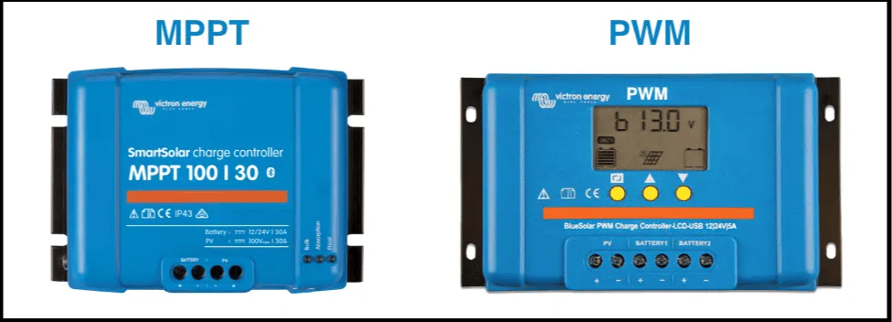
When setting up a solar power system, one key decision is choosing the right charge controller. It's a small but essential component that protects your batteries and manages how power flows from your solar panels. The two main types? PWM and MPPT.
But which one is right for you?
Let’s break it down.
⚙️ What Is a Charge Controller?
In case you missed our last post: a charge controller regulates the voltage and current coming from your solar panels before it reaches your batteries. Its main job is to prevent overcharging, which can shorten battery life and cause damage.
Now, let’s dive into the two types.
🔵 PWM (Pulse Width Modulation)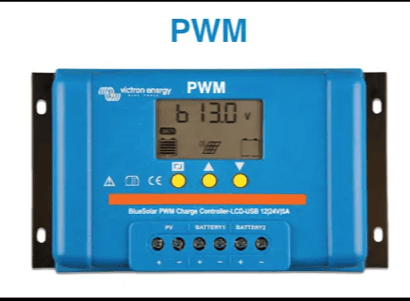
✅ Pros:
-
Simple and reliable
-
Inexpensive
-
Works well with small systems (12V or 24V setups)
❌ Cons:
-
Less efficient, especially in colder climates or with larger systems
-
Can’t optimize energy harvest from solar panels
How It Works:
PWM controllers connect your solar panel output directly to your battery bank. When the battery reaches a certain voltage, the controller gradually reduces the current—kind of like slowly turning down a faucet. It’s a basic, older technology but still useful in the right context.
🟢 MPPT (Maximum Power Point Tracking)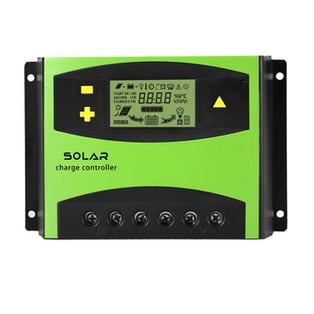
✅ Pros:
-
Much higher efficiency (up to 30% more power than PWM in some cases)
-
Can work with panels that have higher voltages than your battery bank
-
Ideal for larger systems or off-grid use
❌ Cons:
-
More expensive
-
Slightly more complex to set up
How It Works:
MPPT controllers track the ideal voltage/current point where your panels produce the most power. Then, they convert that voltage to match your battery—without losing excess power. This makes MPPT especially effective in colder temps or when panel voltage is high.
⚖️ PWM vs MPPT: Which One Should You Choose?
| Feature | PWM | MPPT |
|---|---|---|
| Cost | 💰 Low | 💰💰 Higher |
| Efficiency | ⚡ Basic | ⚡⚡ High |
| Ideal System Size | Small setups | Medium to large |
| Panel/Battery Voltage Match Required? | Yes | No |
| Best For | Budget builds, basic RV or 12V systems | Off-grid homes, high-efficiency systems, cold climates |
🏕️ Real-Life Use Cases
-
PWM: Great for a small RV solar setup, cabin lights, or a basic 12V battery system where budget matters more than efficiency.
-
MPPT: Ideal for full off-grid homes, overlanding rigs, remote cabins, or anywhere space and
-
sunlight are limited but power needs are higher.
🔋 Final Thoughts
If you’re building a simple or low-cost solar setup, PWM might be all you need.
But if you want to maximize efficiency, use higher-voltage panels, or plan to grow your system, MPPT is worth the investment.
💡 Need Help Picking the Right Controller?
Check out our pick on Top Charge Controllers or message us for custom recommendations.
At TriSolar, we believe smart systems start with smart choices—because power is freedom.
Just so you know, if you buy something through my link, I may earn a small commission—at no extra cost to you. Your support helps keep this site running. Thank you! For more details, please visit our disclaimer page.